

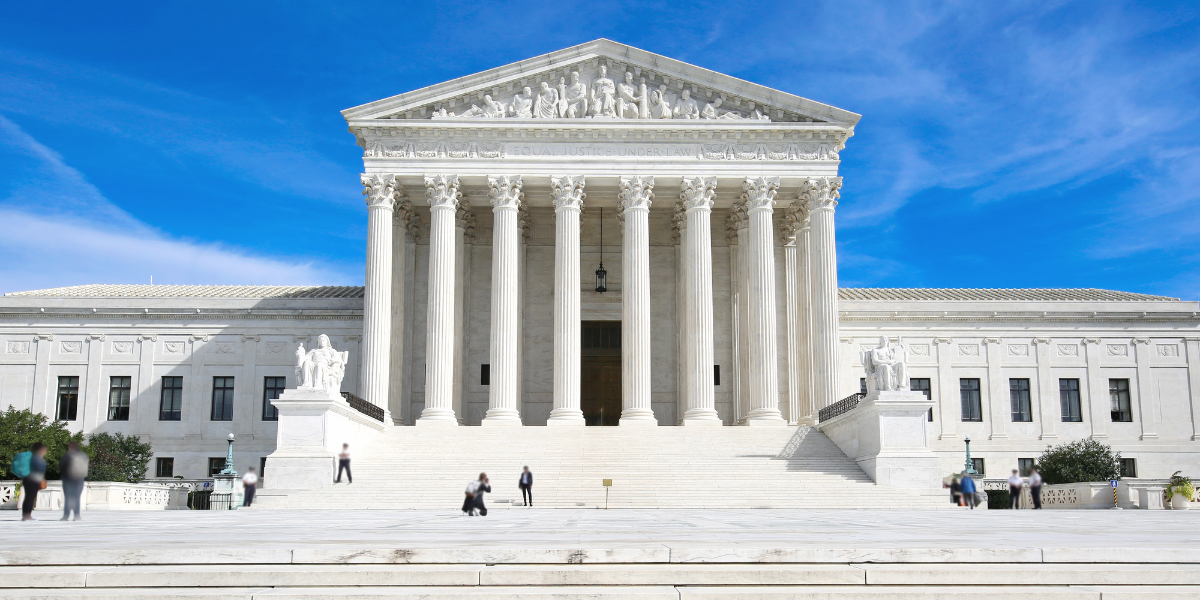
In 2024, the United States Supreme Court issued a transformative ruling in Loper Bright Enterprises v. Raimondo. The decision formally overruled the longstanding Chevron doctrine, which for four decades required courts to defer to reasonable agency interpretations of ambiguous federal statutes. The impact of this ruling extends across nearly every regulated industry.
Chevron deference originated in 1984 and established a two-step framework. First, courts determined whether Congress had clearly spoken on a specific issue. If the statute was ambiguous, courts then deferred to the agency’s reasonable interpretation — a framework that gave federal agencies significant interpretive authority in shaping regulatory policy.
By overruling Chevron, the Supreme Court shifted interpretive power back to the judiciary. Courts are no longer required to accept an agency’s interpretation simply because it is reasonable. Instead, judges must independently interpret statutory language using traditional tools of construction, including text, structure, context, and legislative history.
The practical consequences are substantial. Regulatory challenges are likely to increase as litigants view courts as more receptive to arguments that agencies exceeded statutory authority. Industries such as environmental regulation, labor standards, financial oversight, healthcare compliance, and telecommunications may see renewed litigation over agency rules.
Agencies now face a heightened burden when promulgating regulations. They must ground interpretations firmly in statutory text and anticipate detailed judicial scrutiny. Rulemaking records may become more extensive as agencies seek to demonstrate clear alignment with congressional intent.
For litigators, statutory interpretation arguments will take center stage. Briefs must focus on textual analysis rather than relying on deference principles. Attorneys representing regulated entities may pursue more aggressive challenges, while government counsel must refine interpretive strategies to withstand independent judicial review.
The decision also raises questions about the stability of existing regulations. Although the Court did not automatically invalidate prior agency actions, future challenges could reopen debates over longstanding rules — creating both uncertainty and opportunity in administrative litigation.
Ultimately, Loper Bright represents one of the most consequential administrative law developments in decades. By restoring interpretive authority to the judiciary, the Supreme Court has fundamentally reshaped the balance of power between federal agencies and the courts. The full impact will unfold over time, but the era of automatic Chevron deference has ended.